Professional Roofers
Major Warning Signs Your Roof Needs Fixing: Professional Roof Services for Home Owners
Many homeowners tend to ignore subtle signs that point to the need for roof repair. Moisture accumulation, missing shingles, and discoloration can all signal underlying issues. If left unaddressed, these issues can worsen, threatening the structural soundness of the property. Understanding these signs is crucial for maintaining safety and value. That said, determining the right time to call a professional can be difficult. What important factors ought homeowners evaluate before taking that step?
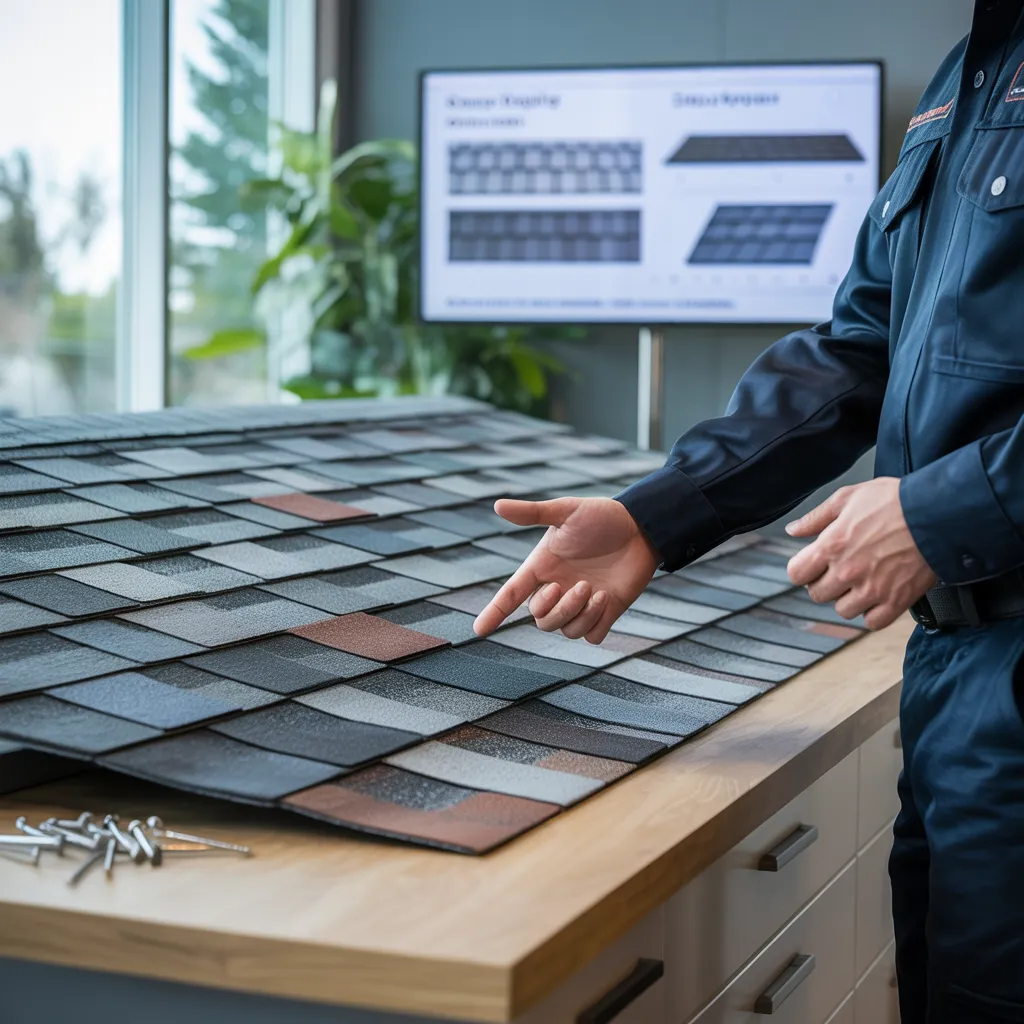
Key Warning Signs Your Roof Needs Fixing
Homeowners ought to look out for multiple critical warning signs that signal a roof is in need of maintenance or repair. One major warning sign is missing or deteriorating shingles, which can expose the underlying materials to moisture. Additionally, visible dark spots or discoloration across the roof can be an indication of leaks or water damage. It is also important to check the attic for signs of moisture, mold, or sagging, as these can indicate underlying structural issues. The buildup of granules in gutters often signals that shingles are breaking down, whereas daylight that is visible through the roof boards can indicate considerable wear and damage. One more critical indicator is a noticeable rise in energy costs, which can stem from inadequate insulation or ventilation due to roof damage. Addressing these warning signs promptly helps avoid more severe damage and expensive repairs in the future. Consistent inspections and maintenance play a vital role in preserving the durability and structural integrity of a home's roof.
Weather and Its Impact on Your Roof
Even though a roof is constructed to handle diverse weather conditions, its performance can be substantially affected by environmental factors. Snow, wind, extreme temperatures, and heavy rainfall can lead to deterioration over time. As an example, extended sun exposure can make shingles brittle and prone to cracking, while an abundance of moisture can result in the development of mold and rot.
Frigid weather conditions can cause ice dam formations, which block proper drainage and may allow water to seep beneath shingles. Furthermore, powerful wind gusts can dislodge roofing materials, leaving the underlying structure vulnerable to additional damage. Frequent weather changes can weaken seals and flashing, raising the likelihood of water infiltration.
Homeowners must stay alert, as climate-related damage can compromise the roof's integrity. Detecting these issues at an early stage enables prompt corrective action, thereby extending the roof's durability and performance. Grasping the connection between climate conditions and roofing components is fundamental for successful roof upkeep.
The Value of Consistent Roof Maintenance
Consistent roof maintenance is vital for preserving the lifespan and efficiency of a roofing system, as overlooking this necessary maintenance can result in expensive repairs and early deterioration. Routine inspections can identify minor issues before they escalate into major problems, preserving the roof's integrity. Moreover, regular maintenance helps to prevent leaks, which can cause extensive damage to the interior of a home and compromise its structural integrity.
Maintaining a clean roof is also important, since debris has the potential to trap moisture, resulting in mold growth and the breakdown of roofing materials. In addition, regular upkeep can improve energy efficiency by ensuring adequate insulation and ventilation. Homeowners who prioritize regular roof upkeep not only extend the lifespan of their roofs but also protect their investment, ultimately providing peace of mind. By coordinating routine inspections with a professional, homeowners can guarantee that their roofs remain in peak condition, shielding their homes from harsh weather conditions.
Essential Roof Inspection Safety Advice
Carrying out a roof inspection requires strict adherence to safety protocols to avoid accidents and injuries. To begin, individuals should make use of appropriate safety gear, including a reliable helmet, skid-resistant shoes, and a harness. It is essential to examine the roof's condition before climbing; if it seems unstable or wet, deferring the inspection is the best course of action.
Employing a reliable ladder is critical; it should project no less than three feet above the roofline to ensure safe entry. Three points of contact with the ladder should always be maintained by inspectors. While moving across the roof, people should steer clear of weak areas, such as sections affected by moss growth or sagging. Moreover, having an assistant nearby can significantly boost safety, enabling prompt help when required. Finally, it is wise to familiarize oneself with local regulations regarding roof access to ensure compliance and minimize risks during the inspection process.
Repair or Replacement: Essential Factors to Consider
Deciding whether a roof should be repaired or replaced is a crucial review decision that homeowners must face when damage becomes apparent. Key considerations include the degree of the damage, the age of the roof, and the condition of the existing roofing materials. If the deterioration is limited in scope—such as a small number of missing shingles—repairs may be all that is needed. However, if the roof is approaching the conclusion of its useful life or has extensive problems, a full replacement could prove more economical over time.
Property owners should also assess the likelihood of ongoing problems and the cost implications of either choice. Temporary fixes may result in greater costs if continued wear takes place. Furthermore, aesthetic and energy-related considerations may impact the choice, as a new roof can enhance a home's value and curb appeal. Ultimately, careful assessment of these elements will guide homeowners in making the best choice for their individual needs.
When Should You Call in the Roof Repair Experts?
When is it necessary for homeowners to seek the expertise of roof repair professionals? Homeowners should consider contacting experts when they observe visible damage, like displaced shingles, persistent leaks, or bowing portions of the roof. Moreover, when water stains become visible on interior ceilings or walls, this suggests underlying roof concerns that require urgent attention. Residents should stay watchful in the aftermath of harsh weather occurrences, as powerful winds and heavy rainfall can intensify existing structural weaknesses.
An additional warning sign is the presence of mold and algae formation, which can indicate trapped moisture and necessitate a professional inspection. When homeowners notice they are repeatedly addressing minor repairs, it may signal more serious underlying issues. Ultimately, age becomes an important consideration; roofs that are close to the end of their service life frequently require professional evaluation. Dealing with these problems without delay can avoid more extensive damage and expensive repairs in the future.
Questions We Often Receive
How Long Can I Expect My Roof to Last?
An average roof has a lifespan of 20 to 50 years, based on the materials used and how well it is maintained. Weather exposure, proper installation, and consistent inspections are key factors that heavily impact its durability and long-term performance.
What Are the Best Materials for Roofing Repairs?
Metal, asphalt shingles, and rubber membranes are regarded as the top materials for roofing repairs. These choices deliver strength, resistance to weather conditions, and cost-effectiveness, providing enduring protection and efficiency for a wide variety of roofing applications.
What Are the Typical Costs for Roof Repairs?
Roof repair costs generally range between $300 and $1,500, influenced by the extent of the damage and materials used. Factors such as geographic location, labor costs, and particular repair needs can significantly impact the overall cost.
Am I Able to Handle My Own Roof Repairs?
Yes, it is possible to conduct roof repairs independently, as long as they have the required knowledge and instruments. However, proper safety measures and a complete grasp of roofing components are essential to guarantee durable and reliable repairs.
What Steps Should I Take After a Storm?
Following a storm , homeowners should inspect their rooftops for apparent damage , look for interior leaks , photograph any concerns with images , and look into hiring a qualified expert for a thorough assessment and necessary repairs to guarantee safety .